

Daily Living Skills & Independence
Making everyday activities more accessible. Fostering practical autonomy and confidence through neurodiversity-affirming coaching and real-world practice.
What might everyday difficulties look like?
- Need significant support to get dressed or manage personal care.
- Find it difficult to follow morning or evening routines.
- Struggle to organise belongings or remember what is needed for an activity.
- Find preparing food or completing household tasks challenging.
- Become overwhelmed by the number of steps involved in a task.
- Need frequent reminders or prompts to complete everyday activities.
- Find transitions between activities difficult.
- Experience fatigue or frustration when managing daily responsibilities.
- Want to become more independent but be unsure where to begin.
How we can help
Understanding the activity
We explore what the task involves, which steps are difficult and what the person can already do.
Breaking tasks into steps
Where helpful, we consider whether a task can be organised into smaller, clearer stages.
Exploring routines
We look at how routines are structured and whether adjustments could make them more manageable.
Adapting the environment
We consider whether equipment, layout, prompts or other changes may reduce barriers to participation.
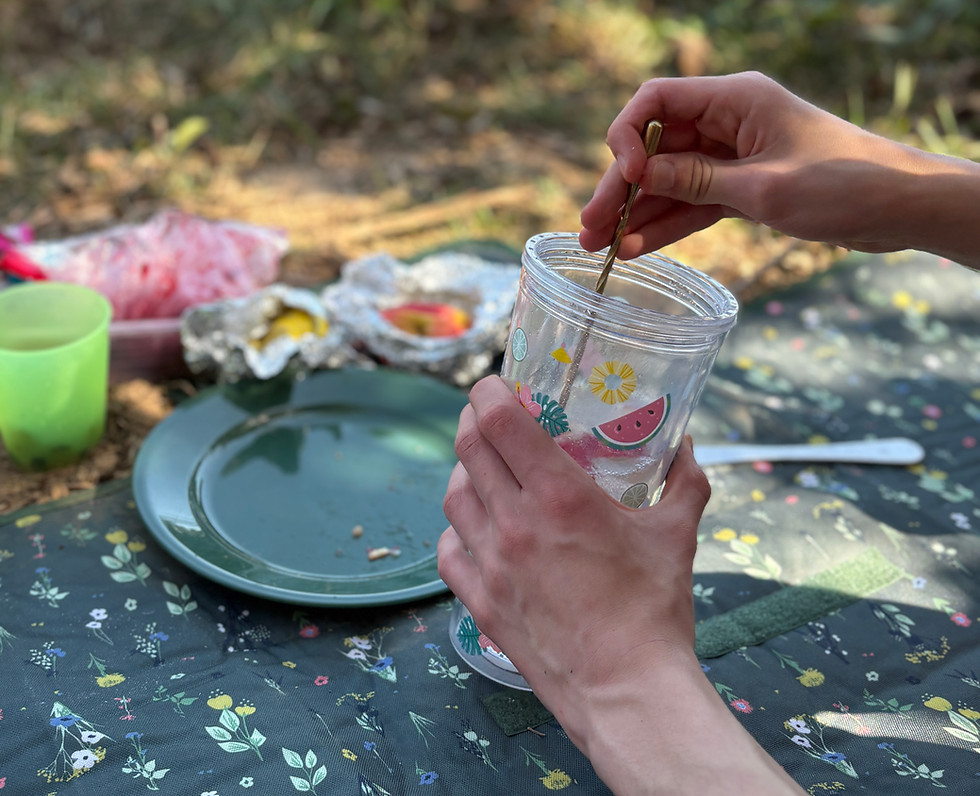
For children and young people, daily living support may involve dressing, managing school belongings, participating in personal care routines or developing practical skills appropriate to their circumstances.
For adults, support may involve managing household tasks, organising daily routines, preparing food, participating in community activities or exploring adaptations that support everyday independence.